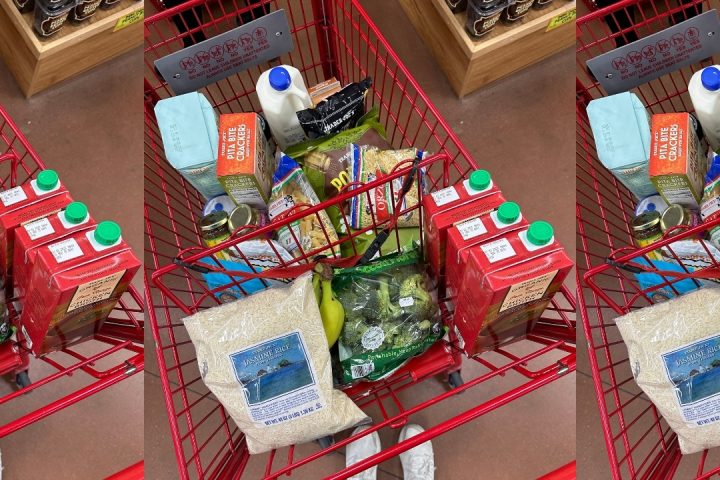
More expensive food – this is what I exchanged in my food cart
I used to shop for foodstuffs. Every Sunday, I will plan my weekly food and even shop royal on some of the additional “fun” items while exploring the halls. But lately, shopping for food ingredients has become something I fear. From the moment I set foot in the store, I was worried about how expensive my food bills were or what was not in stock. According to the US Department of Agriculture, food prices increased 3 percent from 2024, and this year’s prices for eggs, beef, beef, sugar and candy, and non-alcoholic drinks are expected to grow faster than the historical average growth rate of 20 years. Eggs are predicted to increase 24.6 percent in 2025.
The numbers are a reflection of inflation, and if they are worried you can buy your weekly eating preparation, you are not alone. A study conducted by McKinsey & Company shows that in 2025, the concern of US consumer #1 is how inflation and tariffs will have an impact on their livelihoods. There is a reason why the theme of this summer is “Crash-Out Summer.” At that time it was difficult, but instead of letting your wholesale bill add to the daily stress, I have conducted research and found several affordable solutions. Read on for the items that I exchanged from my food cart and with what I replaced it.
1. Exchange eggs for Greek yogurt or cottage cheese
Eggs were once one of the main sources of my protein; They are easily cooked, have 6 grams of protein per egg, and the choice of recipes is unlimited. However, I have reconsidered how often I added it to my cart now and found that Greek yogurt and cottage cheese, I dare to say, even a better substitute. One serving (100 grams) Cottage cheese has 11 grams of protein, along with essential vitamins and minerals such as calcium, phosphorus, potassium, and vitamin B12. It also supports bone health and intestinal health due to additional bacteria, which are part of the binding process that occurs when cottage cheese is made. Whether you enjoy the taste or not, there are many cottage cheese recipes, from pancakes to spread it with toast to make this viral cottage cheese bowl.
Greek yogurt has the same benefits and is beneficial for bone and intestinal health, while also becoming high protein, with 15-20 grams of protein in a portion of 6 ounces. Greek yogurt with granola and give is a good breakfast option, or you can add it to pancakes, use it in cake recipes, or add them to smoothie.
2. Swap Beef/Chicken/Türkiye for Tofu or Tuna cans
The cost of meat products has increased significantly, with beef to be the most expensive, followed by chicken and turkey. While I still consume chicken and turkey occasionally, I found myself branching to find other sources of protein that were more affordable, such as tofu and canned tuna. One cup of tofu has 20 grams of protein and high in calcium, manganese, copper, and selenium. This is also a good vegetable choice, and with a little or without taste, there are so many recipes to try. Likewise, one can of tuna contains anywhere from 30 to 40 grams of protein depending on whether there is in water, oil, or raw. Walder Wellness has a variety of delicious tuna and tofu -based recipes, such as this easy honey garlic and casserole noodle tuna noodle, both of which I make repeatedly.
3. Exchange of coffee with green tea
It still surprised me every time I ordered an ordinary latte at a coffee shop and the price was $ 8. The increase in coffee prices has become the most difficult to accept. I have a Nespresso engine and try my best to make coffee at home, but still, it increases, especially on days when I want a second cup in the afternoon. For this reason, I began to choose green tea instead. Not only a box of green tea in a more affordable grocery store, but also has many nutritional benefits that are not owned by coffee. Green tea is rich in flavonoids which minimize inflammation and act as antioxidants. It also improves brain health, lowering blood sugar (which also helps by cravings of afternoon sugar), and does not provide an anxiety effect that can sometimes be produced by coffee.
4. Exchange of fresh fruits and vegetables with frozen fruits and vegetables
Even though I haven’t fully cut fresh fruits and vegetables, I try to shop seasonally because seasonal products are cheaper and usually taste better. So, instead of just adding seasonal products to my basket, I have started adding more fruits and frozen vegetables. Frozen products have a longer shelf life, and you get more for your money. Vegetables such as broccoli, carrots, paprika, and mushrooms are very good for making stir-fry or dinner panci, while frozen fruit, kale, and spinach is perfect for smoothie, breakfast, or wrap. Because they last longer, I also save by not adding these items to my basket every time I shop for food.
5. Exchange of granola and cereal for OAT
Although I have never been a big consumer cereal, I really like a bowl of granola and yogurt with berries at breakfast, the luxury that I am now deleted from my cart and vice versa replaced with rolled wheat. One roll wheat bag has a long shelf life and is very suitable for making oatmeal, wheat last night, and grilled recipe. Relatively, OAT does not have additional sugar or saturated fat, whereas cereal and granola can contain many hidden ingredients such as additional flavorings and oil. If you can’t give up granola, you can also try to make your own, which is a more affordable and healthy choice. The following is a recipe with several different variations.
6. Exchange of non-alcoholic drinks for soda water or Mocktail DIY
In recent years, there has been an increase in the production of non-alcoholic beverages. We have seen various brands launching non-alcoholic versions from Spritz and delicious cocktails but in the end it is quite expensive. If you want a fun non-alcoholic drink but don’t want additional costs, try to choose a variety of sparkling waters, which remain low prices. If you want to season, there are many Mocktail DIY recipes that only involve some additional ingredients, such as adding spices such as mint or basil, or splashing lemon or lime. This cranberry mocktail has two ingredients, and this cucumber ginger looks delicious.
7. Swap Snacks and Sweets for Homemade Alternatives
As a famous snacker, an increase in the cost of snacks and candy has hit my wallet hard. It is difficult to ignore a series of chocolate or cakes (my kryptonite) while in the grocery store. I know I will never cut snacks or candy completely, but to cut costs, I have experimented with homemade versions of my favorite. This healthy Snickers version is delicious, along with this homemade Reese cup. Because these two recipes can be stored in the freezer, they survive for a while, and you have additional benefits by knowing that you are eating a healthier version of your favorite sweet snacks.

Cissa Kirilenko, Facilitator Breathwork & Health Writers Contribute
Cissa is a health writer for every person who specializes in covering the subject about mental health, meditation, and self -care. He is also a certified Breathwork facilitator and works with clients to recover through their breathing power.
Posting food is getting more expensive – this is what I exchanged at my wholesale cart first appeared at Everygirl.
Game Center
Game News
Review Film
Berita Olahraga
Lowongan Kerja
Berita Terkini
Berita Terbaru
Berita Teknologi
Seputar Teknologi
Berita Politik
Resep Masakan
Pendidikan
Berita Terkini
Berita Terkini
Berita Terkini
review anime
Gaming Center
Originally posted 2025-08-13 11:55:27.